
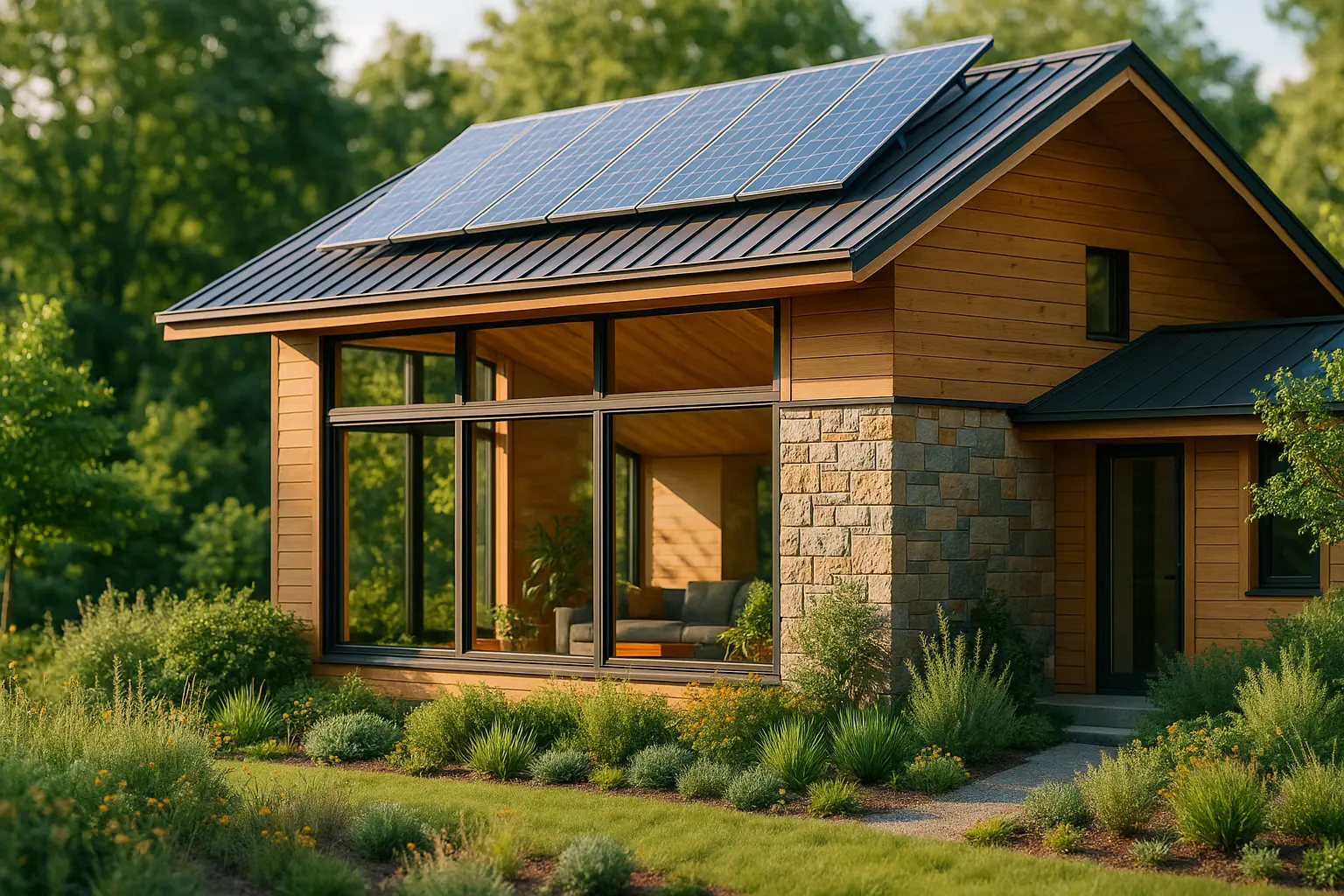
In today’s dynamic world, where the environment is at the forefront of our concerns, designing energy-efficient homes has become a vital endeavor. As homeowners, architects, and builders, we are continuously exploring ways to integrate sustainable features into our living spaces. With an eye on renewable energy, innovative materials, and sophisticated systems, our mission is to create homes that harmonize with nature while ensuring comfort and efficiency. Join us as we delve into the art and science of crafting homes that breathe with the planet.
Harnessing the Power of Passive Solar Design
As we embark on the journey of designing energy-efficient homes, passive solar design emerges as a cornerstone. This ingenious approach utilizes the sun’s natural energy to regulate indoor temperature, significantly reducing the need for artificial heating and cooling systems. The concept revolves around strategic orientation, thoughtful window placement, and the use of materials that absorb and store heat.
Strategic Orientation: The orientation of a home plays a pivotal role in harnessing solar energy. By positioning the structure to face the sun during winter months and minimizing exposure during summer, we can optimize heat gain and loss. This careful consideration helps maintain consistent indoor temperatures, ensuring comfort year-round.
Smart Window Placement: Windows are more than just means for light and views—they are essential elements in passive solar design. By installing south-facing windows, we allow the low winter sun to penetrate, warming interior surfaces. In contrast, shading devices or overhangs can mitigate excessive summer heat, keeping the home cool.
Thermal Mass and Insulation: The choice of materials is critical in passive solar homes. Concrete, brick, and stone possess high thermal mass, allowing them to absorb and release heat gradually. Proper insulation is equally crucial; it prevents unwanted heat exchange, ensuring the home remains efficient.
Through these smart design choices, passive solar principles empower us to create homes that are not only energy-efficient but also intimately connected to the rhythm of the sun. As we prioritize sustainable living, passive solar design stands as a testament to our commitment to efficiency and environmental stewardship.
The Role of Modern Systems in Sustainable Homes
While passive solar design lays a strong foundation, the integration of modern systems elevates energy efficiency to new heights. These systems, ranging from advanced heating and cooling solutions to innovative water management techniques, work in tandem to create a harmonious and eco-friendly living environment.
High-Efficiency HVAC Systems: At the heart of any modern home is its heating and cooling system. High-efficiency HVAC systems utilize technology such as variable-speed compressors and smart thermostats to optimize energy use. These systems adapt to the home’s needs, ensuring that only the necessary amount of energy is used, thus reducing consumption and costs.
Solar Panels and Photovoltaic Systems: To further reduce reliance on non-renewable resources, solar panels are a popular choice for homeowners pursuing sustainability. These panels convert sunlight into electricity, powering the home and even feeding excess energy back into the grid. Coupled with home battery systems, they provide resilience against power outages.
Efficient Water Management: In our quest for sustainability, efficient water management systems cannot be overlooked. Rainwater harvesting, greywater recycling, and efficient plumbing fixtures are key components. These systems reduce freshwater demand and minimize environmental impact.
Smart Home Integration: The digital age offers us the tools to monitor and control our home’s energy use at our fingertips. Smart home systems provide insights into consumption patterns, allowing us to make informed decisions to further enhance efficiency.
By incorporating these modern systems, we are not only enhancing the efficiency of our homes but also contributing to a sustainable future. The synergy between passive design and advanced systems paints a promising picture of responsible and innovative home design.
The Importance of Materials in Sustainable Design
In our pursuit of building energy-efficient homes, the choice of materials plays a pivotal role. A well-considered selection of natural, sustainable, and high-performance materials can significantly enhance a home’s energy profile while minimizing its environmental footprint.
Sustainable Building Materials: Choosing materials that are sustainably sourced and have a low environmental impact is crucial. Bamboo, recycled steel, and reclaimed wood are examples of high-performance materials that offer durability and sustainability. These materials not only bring aesthetic appeal but also contribute to the home’s overall efficiency.
Insulation: Insulation is the unsung hero in maintaining energy efficiency. High-quality insulation reduces heat loss in winter and keeps the home cool in summer, lowering reliance on heating and cooling systems. Materials such as cellulose, wool, and rigid foam are popular choices for their robust insulating properties.
Natural Finishes: Incorporating natural finishes into the design can enhance indoor air quality while reducing the home’s carbon footprint. Natural paints, sealants, and finishes made from plant-based ingredients are non-toxic and biodegradable, offering a healthier indoor environment.
Local Sourcing: Prioritizing locally sourced materials not only supports local economies but also reduces the carbon emissions associated with transportation.
By choosing the right materials, we are crafting homes that are not only energy-efficient but also sustainably built, reflecting a commitment to both the environment and future generations.
Creating a Comfortable and Healthy Indoor Environment
The ultimate goal of any home design is to create a space that is comfortable, healthy, and harmonious. Beyond efficiency, ensuring high indoor air quality and a balanced living environment is essential for the wellbeing of its occupants.
Ventilation Systems: Efficient ventilation is crucial for maintaining high-quality indoor air. Heat recovery ventilation (HRV) systems provide fresh air while minimizing energy loss, creating a comfortable atmosphere without compromising efficiency.
Indoor Air Quality: The air we breathe inside our homes can greatly affect our health. Utilizing non-toxic materials and finishes, along with advanced air filtration systems, ensures that indoor air remains clean and free from pollutants.
Natural Light and Connection to Nature: Designing homes that maximize natural light not only reduces energy consumption but also enhances the connection between indoor and outdoors. Large windows, skylights, and light tubes allow sunlight to flood interiors, uplifting our mood and reducing reliance on artificial lighting.
Thermal Comfort: Achieving thermal comfort involves a delicate balance between heating, cooling, and insulation. By optimizing these elements, we can create a home environment that is consistently comfortable, regardless of external conditions.
Incorporating these design principles allows us to create homes that are not only efficient and sustainable but also nurturing spaces that prioritize the health and comfort of their inhabitants.
As we stand on the brink of a more sustainable world, the design of energy-efficient homes serves as a beacon of hope and innovation. By integrating passive solar design, modern systems, and thoughtful materials, we are paving the way for a future where homes are not only places of refuge but also thriving ecosystems. Our commitment to creating spaces that are in harmony with nature is testament to our dedication to a sustainable tomorrow. Together, we are building the future, one home at a time, with passion, purpose, and precision.
FAQ
What is passive solar design in the context of home construction?
Passive solar design involves strategically positioning a home and its elements to naturally collect, store, and distribute solar energy. This can be achieved by orienting the building to maximize sun exposure, using materials that absorb and slowly release heat, and incorporating features like large south-facing windows.
How can window placement contribute to energy efficiency in homes?
Strategically placing windows can significantly enhance energy efficiency. By installing larger windows on the south side of a house, homeowners can maximize natural light and heat during winter months. Conversely, smaller or shaded windows on the north side can minimize heat loss.
What are some key materials used in sustainable home construction?
Sustainable home construction often utilizes materials like recycled steel, bamboo, and reclaimed wood. These materials are not only environmentally friendly but also offer durability and efficiency. Additionally, high-performance insulation materials can help maintain indoor temperature, reducing reliance on heating and cooling systems.
How do green roofs contribute to an energy-efficient home design?
Green roofs offer multiple benefits, including improved insulation, reduced heat absorption, and stormwater management. By planting vegetation on rooftops, homes can maintain a cooler temperature in summer and retain warmth in winter, thus enhancing energy efficiency and reducing utility costs.
What role does landscaping play in energy-efficient home design?
Landscaping can greatly impact a home’s energy efficiency. Planting deciduous trees on the southern and western sides of a house provides shade in summer while allowing sunlight through bare branches in winter. Additionally, strategically placed shrubs and groundcovers can reduce wind speed, minimizing heat loss.