As we look at the future of home design, a critical question emerges: how can we create spaces that not only accommodate but truly support the changing needs of adults as they age? The concept of “aging in place” brings to the forefront the importance of creating adaptable and accessible homes that cater to every phase of life. In this article, we will explore innovative design strategies that prioritize accessibility, safety, and comfort, ensuring that our living spaces evolve with us. With our ever-growing, older adult population, reimagining our homes is more than a design trend—it’s a vital step towards inclusive living. Join us as we delve into practical solutions for crafting environments where every stage of life can be lived to its fullest.
The Foundation of Accessibility: Designing Spaces for All
The key to successful aging in place lies in the way we design our homes from the ground up. Accessibility is not merely an afterthought; it is the cornerstone upon which all other features are built. As designers and homeowners, our goal is to ensure that every room is functional, comfortable, and safe for older adults.
Open Floor Plans: More Than a Trend
The benefits of open floor plans extend beyond aesthetic appeal. By reducing barriers and creating fluid spaces, we make movement easier for individuals with mobility challenges. An expansive, clear floor layout not only enhances safety but also fosters social interaction and helps maintain independence.
Thoughtful Entryways: Welcome Home
The journey into our homes should be seamless. Consider installing step-free entryways, which ease access for those with mobility aids. Wider doorframes accommodate wheelchairs and walkers without hassle, ensuring that every visitor, regardless of ability, feels welcome.
Kitchens and Bathrooms: A Focus on Function
These essential spaces should prioritize ease of use and reduced strain. Adjustable countertops, pull-out shelves, and hands-free faucets can transform a kitchen from a potential hazard into a haven of independence. Similarly, barrier-free showers and grab bars in bathrooms can prevent accidents and promote autonomy, making daily life not just easier, but more enjoyable.
Beyond the Basics: Innovative Features for Age-Friendly Homes
Designing for aging in place transcends basic accessibility. It invites us to innovate and think creatively about enhancing comfort and safety at home. Here, we explore cutting-edge features that redefine how we approach living spaces for adults as they age.
Smart Home Technology: The Future is Here
Today’s tech-savvy solutions can be transformative for older adults. Voice-activated systems allow for hands-free control of lights, thermostats, and security devices, providing convenience and enhancing safety. Smart sensors can monitor health metrics and detect falls, ensuring timely responses in emergencies.
Lighting: Illuminating Pathways to Safety
As vision changes with age, lighting becomes a crucial aspect of home design. Leveraging ambient lighting, task lighting, and motion-sensor lights can significantly reduce the risk of falls. Strategically placed lighting can also create a welcoming and uplifting ambiance, promoting mental well-being.
Flexible Living Spaces: Adapting to Change
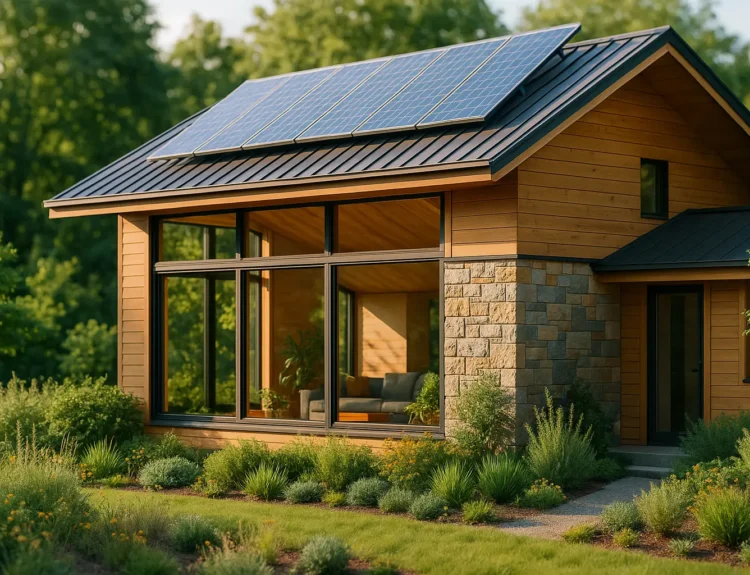
An adaptable home is a future-proof home. Consider multipurpose rooms that can be easily reconfigured as needs evolve. Whether it’s a guest room that converts into a caregiver’s suite or a home office that morphs into a hobby space, flexible design ensures that a home remains relevant through life’s transitions. {image_content}
Navigating the Emotional Landscape of Aging in Place
When we talk about design, we must also consider the emotional aspects of aging in place. Our homes are more than just structures; they are sanctuaries of memories, comfort, and identity. Designing with empathy is crucial as we navigate the multifaceted experience of aging.
Maintaining Connections: Designing for Social Engagement
Social isolation is a pressing concern for many older adults. Creating communal spaces within homes, or incorporating design elements that encourage interaction, can foster connections with family and community. Outdoor spaces or living areas designed for gatherings can enhance life satisfaction and emotional well-being.
Preserving Independence: A Matter of Dignity
Independence is deeply tied to self-worth and dignity. By integrating features that promote autonomy, like easy-to-reach storage and user-friendly appliances, we empower older adults to maintain their independence and sense of agency.
Personalization: Honoring Individual Tastes and Preferences
Our homes should reflect who we are, regardless of age. Tailoring spaces to individual tastes not only enhances comfort but reinforces a sense of belonging. Whether it’s through personalized color schemes, cherished heirlooms, or flexible layouts, the home should be a canvas where identity is celebrated.
As we reflect on the myriad ways to make our homes more accessible, the ultimate goal is clear: to create environments that support a dignified, safe, and comfortable life for individuals at every age. Designing for aging in place is not just about accommodating physical needs; it’s about crafting spaces that nurture our emotional and social well-being as well.
In an era where design meets technology, the possibilities for creating inclusive homes are endless. By considering both the practical and emotional aspects of living, we can ensure that our homes remain cherished companions throughout life’s journey. Together, let’s build homes that not only stand the test of time but also embrace the vibrant journey of aging with open arms.
FAQ
What is the concept of ‘Aging in Place’?
The concept of ‘Aging in Place’ refers to the ability of individuals to live in their own homes safely, independently, and comfortably, regardless of age or ability level. This involves adapting living spaces to accommodate changing needs as people grow older.
What are some key features to consider when designing a home for aging in place?
Key features include:
- Single-level living: Minimizing or eliminating staircases.
- Wide doorways and halls: To accommodate mobility aids.
- Non-slip flooring: To reduce the risk of falls.
- Lever-style handles: Easier to operate than traditional knobs.
- Adjustable lighting: Including bright task lighting and ambient options for various needs.
How can bathrooms be adapted for better accessibility?
To enhance accessibility in bathrooms, consider installing:
- Walk-in showers: With no threshold to step over.
- Grab bars: Near the toilet and in the shower.
- Comfort-height toilets: Easier to use with less strain.
- Anti-scald valves: To prevent accidental burns.
- Non-slip mats: To prevent slipping on wet surfaces.
What modifications can be made to kitchens to support aging in place?
In kitchens, modifications may include:
- Lower countertops: To accommodate seated meal preparation.
- Pull-out shelves: For easier access to stored items.
- Touch-activated faucets: For ease of use.
- Easy-to-read controls: On appliances for better visibility.
- Task lighting: To illuminate work areas and reduce shadows.
Why is it important to consider universal design principles in home modifications?
Universal design principles ensure that homes are usable by people of all ages and abilities. This approach not only accommodates aging residents but also makes spaces more welcoming and functional for family members and visitors with varying needs. It fosters inclusivity and enhances the quality of life for everyone in the household.