In a world where technology evolves at an unprecedented rate, we now stand on the brink of an era where space manufacturing is becoming not just a possibility but a necessity. As we venture beyond Earth’s atmosphere, the potential to develop and construct in orbit presents opportunities that could redefine our entire economy and way of life. Imagine a future where satellites are built from scratch in orbit, where components for high-end technology are crafted in the unique conditions of microgravity. This is not science fiction; it is the frontier of exploration that NASA and private companies are actively pursuing. Today, we delve into the intricacies of this fascinating new world, covering the challenges and vast potential it holds for industries globally.
The Unique Conditions of Space
When we talk about space manufacturing, we aren’t just referring to the novelty of zero gravity. Microgravity, with its near weightlessness, affects materials in ways that can lead to products and processes impossible on Earth. In this boundless environment, components can be created without the influence of gravity, leading to purer and more precise outcomes.
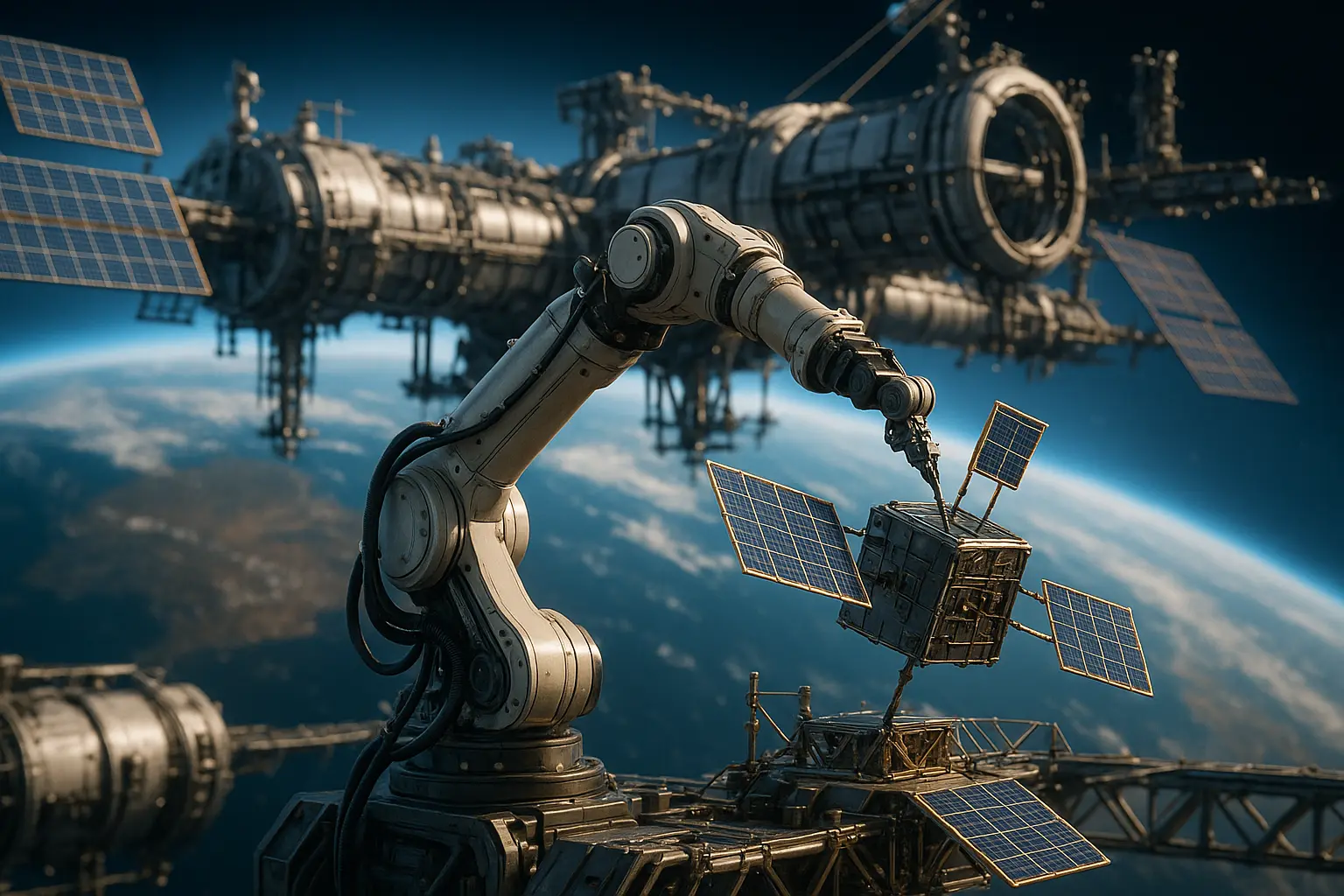
Consider the satellites that orbit our planet. Traditionally, these are constructed and launched from Earth, facing the constraints of gravity, weather, and the immense costs of space travel. However, building satellites directly in space can reduce these constraints, offering companies the ability to customize in real-time and adapt to their needs.
But the advantages extend beyond satellites. Microgravity’s influence on materials could revolutionize sectors such as pharmaceuticals and technology. Proteins, for instance, can be crystallized with unmatched precision. This could lead to breakthroughs in data storage or medical treatments.
Yet, with these opportunities come challenges. Maintaining stable systems in space requires innovation in design and development, and we must address logistical hurdles, like the transportation of raw materials or the reliability of orbital machinery. Here, the partnership between public entities like NASA and private enterprises could pave the way for pioneering solutions.
Economic Implications of Space Manufacturing
As we set our sights on the stars, the economy here on Earth stands to gain immeasurably. Space manufacturing isn’t just an exciting concept; it’s poised to become a cornerstone of modern industry. By bypassing the limitations of terrestrial production, we open up new avenues for companies to explore and profit.
One of the most compelling aspects of space manufacturing is its potential to lower costs over time. Initially, the investment may be significant, but once infrastructure is in place, the profits could be astronomical—pun intended. Imagine a world where satellites are assembled rapidly and cost-effectively, where components can be manufactured on-demand to meet the dynamic needs of our constantly evolving technology landscape.
Beyond cost, there’s the promise of increased technology innovation. Private companies can tap into niche markets, developing products and systems that are more efficient or technologically advanced than their Earth-bound counterparts. This could lead to an influx of new data and technology that revolutionizes industries from telecommunications to exploration.
However, the trick lies in balancing potential profits with the inherent risks. Space manufacturing is a burgeoning field, and as with any pioneering industry, there are unknowns. It demands a robust understanding of systems not just in space but also in how they integrate with Earth-based operations. Collaboration across sectors will be crucial to harness these insights and to ensure that the economic benefits are shared equitably across society.
Technological Innovations and Industry Growth
In order to realize the full potential of space manufacturing, we must turn our attention to the technology that makes it all possible. The past few years have seen remarkable advancements in systems and components, laying the groundwork for developments that were once deemed impossible.
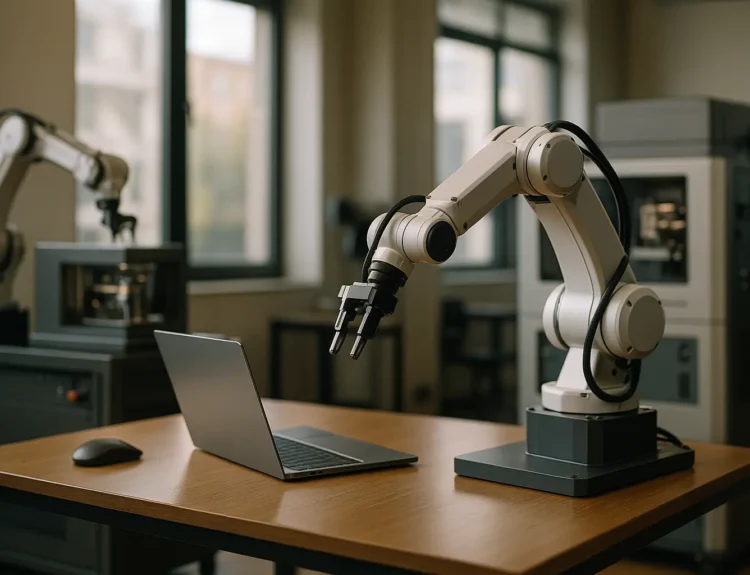
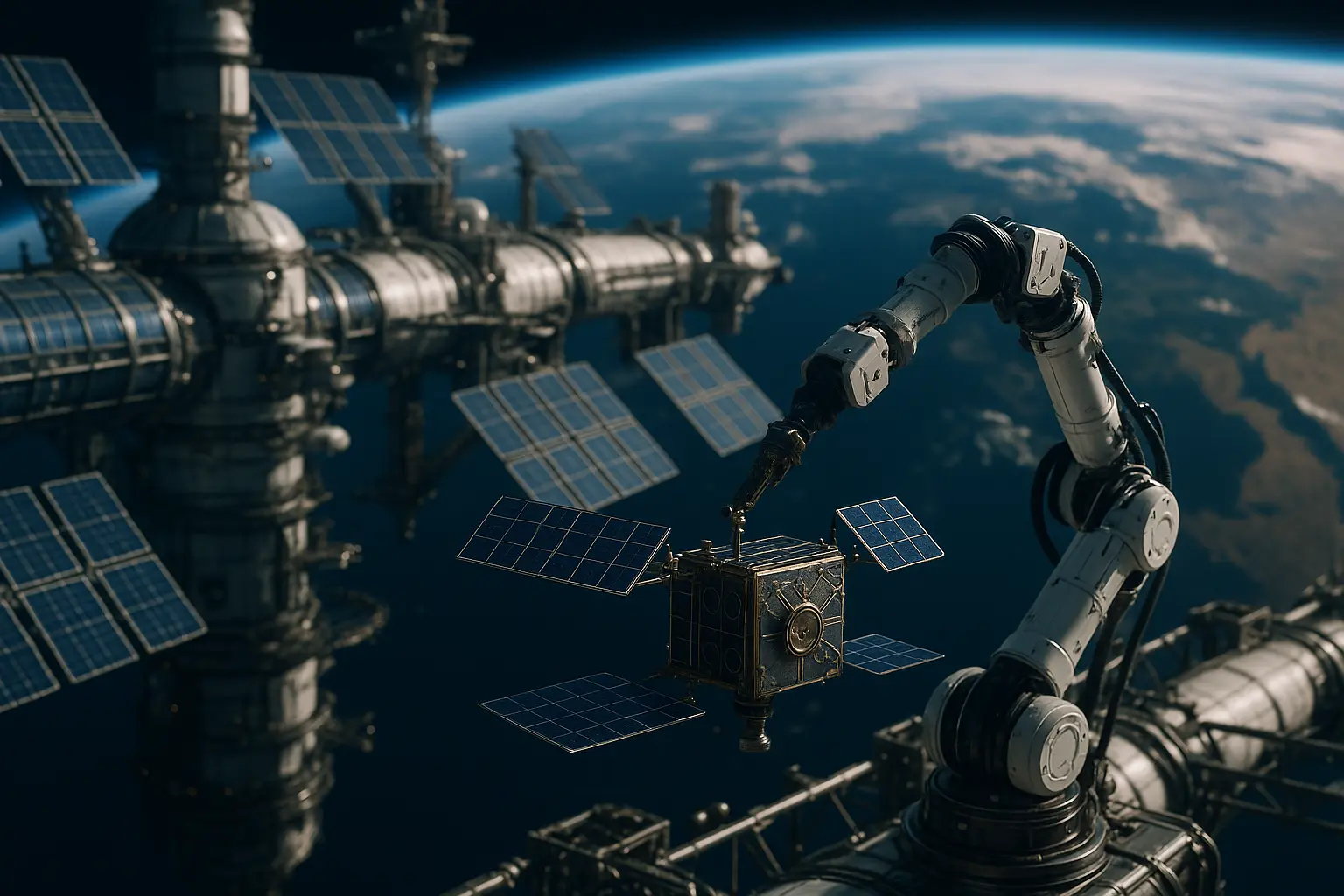
One of the most significant technological breakthroughs is the use of AI and robotics. These systems can operate in harsh environments, conducting tasks from satellite assembly to real-time data analysis. They are the unsung heroes of modern space exploration, minimizing human error and maximizing efficiency.
But what does this mean for industry growth? For one, it positions private companies at the forefront of a new industrial revolution. As they invest in space-related technology, they can carve out a niche, leading to a more competitive market. New business models will emerge, focused on development and deployment of space systems and infrastructure.
Moreover, this push for innovation doesn’t just benefit the companies involved. It creates a ripple effect, spurring job creation and inspiring the next generation of technology leaders. Students and young professionals are now more likely to consider careers in space manufacturing, driven by the allure of working on the cutting edge of industry.
But innovation comes with its own set of challenges, from addressing data security concerns to ensuring technology reliability in the vast expanse of space. As we push boundaries, we must also contend with these critical issues, ensuring that as our reach extends beyond Earth, it does so ethically and responsibly.
The Role of Collaboration in Space Development
No single entity can navigate the complexities of space manufacturing alone. The path forward is marked by collaboration, leveraging the strengths of both public institutions like NASA and private companies.
The development of space infrastructure necessitates a shared vision and resources. NASA’s expertise in exploration and infrastructure building, combined with the agility and innovation of the private sector, creates a potent synergy. Together, they can develop systems that cater to diverse needs, from satellites to advanced manufacturing components.
Consider the role of international cooperation. With space being a global commons, the involvement of multiple countries can propel our ambitions far beyond what any single nation can achieve. Innovation thrives on diversity, and by pooling knowledge and skills, we can overcome challenges more effectively.
However, collaboration is not without its hurdles. Aligning objectives across companies and countries involves navigating regulatory frameworks, intellectual property rights, and differing priorities. The key lies in finding common ground, ensuring that development benefits humanity as a whole, rather than just individual stakeholders.
Ultimately, the future of space manufacturing hinges on our ability to work together. By fostering a culture of cooperation, we can accelerate progress, unlocking the vast potential that orbits just outside our atmosphere.
As we journey into this new frontier, space manufacturing presents an exciting yet challenging landscape. The benefits extend beyond Earth, promising advancements in technology, economy, and industry that were once unimaginable. Yet, the road is fraught with challenges that require innovative solutions and unprecedented collaboration. By embracing this opportunity, we not only redefine manufacturing but also our very place in the cosmos. Together, we can look forward to a future where the final frontier is not just explored but inhabited by our ideas and creations.
FAQ
What is space manufacturing and why is it significant?
Space manufacturing refers to the production of goods and materials in space, typically utilizing microgravity environments. It holds significance as it allows for unique manufacturing processes that can’t be replicated on Earth, potentially leading to the creation of stronger, lighter, and more efficient materials.
What are some of the primary opportunities associated with manufacturing in space?
Opportunities in space manufacturing include the creation of advanced materials, such as high-quality fiber optics and pharmaceuticals, which benefit from the absence of gravity. Additionally, it supports sustainable space exploration by enabling the production of fuel and spare parts on-site, reducing the need for costly Earth-to-space logistics.
What are the main challenges faced in the development of space manufacturing?
The major challenges include the high cost of launching materials and equipment into space, limited access to reliable infrastructure, and the need for advanced robotics and automation systems to operate in remote and harsh environments. Furthermore, the complexity of developing processes that work in space adds to the difficulty.
How does microgravity impact the manufacturing process in space?
Microgravity allows for the creation of materials with superior properties, such as purer crystals and defect-free alloys, by reducing sedimentation and convection currents. This environment can lead to breakthroughs in material science that are not possible under Earth’s gravitational conditions.
What role does international collaboration play in advancing space manufacturing?
International collaboration is crucial for sharing resources, knowledge, and technology, which can significantly reduce costs and accelerate advancements. Collaborative efforts also promote standardized regulations and practices, fostering a more efficient and sustainable approach to space manufacturing development.