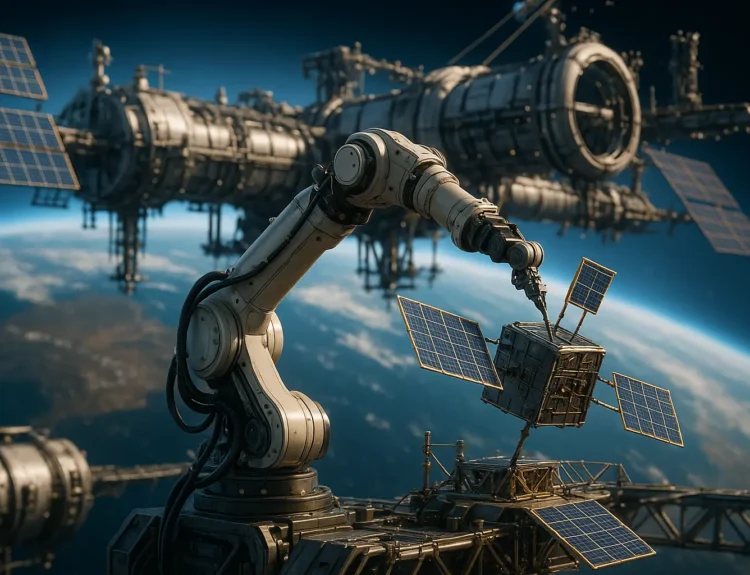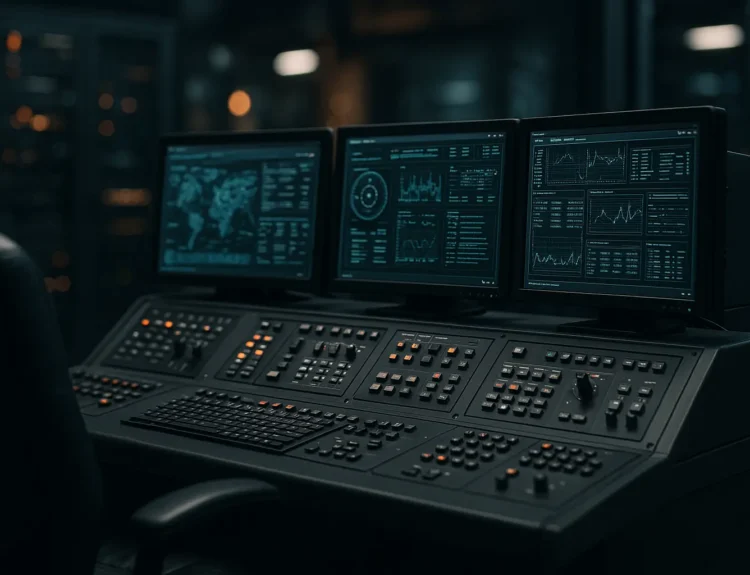
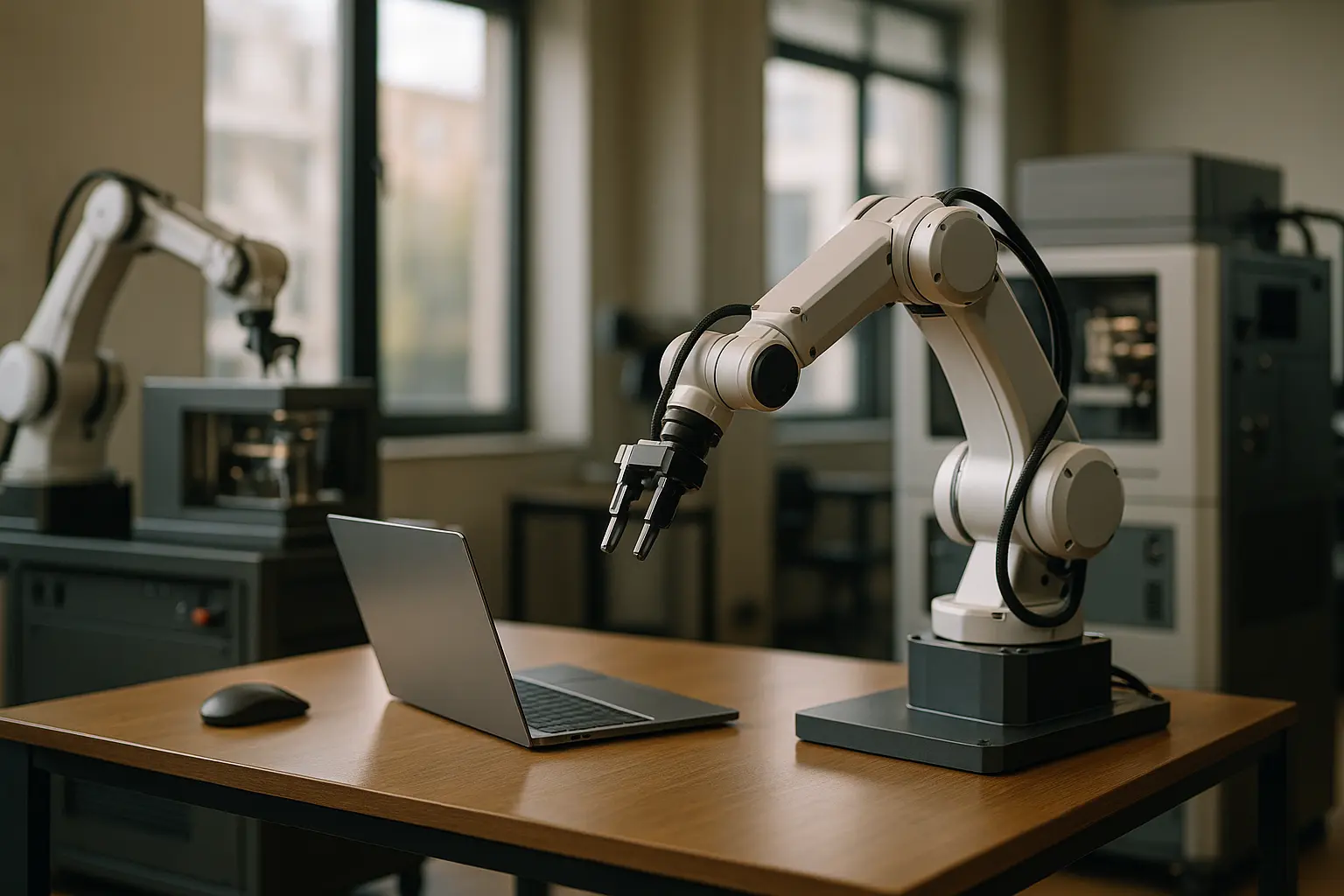
Welcome to a transformative era where the industrial landscape is undergoing dynamic shifts, powered by automation and design innovations. As we stand at the intersection of technology and creativity, the way we design, produce, and deliver products is evolving rapidly. With the growing demand for efficient solutions and personalized user experiences, understanding the synergy between industrial design and automation is becoming crucial for staying competitive in the modern market. This article will guide you through the intricate relationship between these elements, providing insights into how they shape the future of manufacturing and product development.
The Fusion of Design and Automation in Modern Systems
In the world of industrial manufacturing, the synergy between design and automation is more pronounced than ever before. This partnership is not just about creating aesthetically pleasing products; it’s about weaving functionality and efficiency into every layer of production. The integration of automation into design processes enables faster production times, reduced errors, and enhanced quality control, setting new benchmarks across various industries.
Design Thinking Meets Automation
Design thinking is no longer confined to the initial stages of product conception. It seamlessly intertwines with automation technologies to drive innovative solutions. By employing data-driven insights and cutting-edge software, designers now have the ability to test prototypes in virtual environments, optimizing every aspect even before the product hits the production floor. This ensures that the user experience is at the forefront, crafting systems that are intuitive and responsive to the ever-evolving demands of the market.
Shaping the Future of Manufacturing
The manufacturing industry is witnessing a paradigm shift as automation redefines traditional workflows. With the advent of robotic systems and AI-driven processes, manufacturers can streamline operations, improve efficiency, and reduce costs. Through automation, precise and repeatable tasks are executed with unparalleled accuracy, freeing up human resources to focus on creative and strategic endeavors.
The confluence of design and automation is not merely a trend; it is a seminal change in how industries operate. By embracing this evolution, companies can position themselves as forward-thinking leaders in a competitive landscape.
Data-Driven Product Development: The New Norm
In the age of big data, the role of information in product development cannot be overstated. As data becomes the lifeblood of modern industries, leveraging it effectively is crucial in designing products that cater to user needs and preferences. The integration of data analytics into the design and manufacturing process enables businesses to create more tailored and efficient solutions.
Harnessing Data for Innovation
Data serves as a powerful tool for innovation, offering insights into consumer behavior, market trends, and industry patterns. By analyzing these datasets, designers can anticipate user demands, streamline development cycles, and reduce time to market. It’s not just about collecting data; it’s about transforming it into actionable insights that drive product innovation.
From Concept to Creation
The development process is now more collaborative, with data acting as a bridge between designers, engineers, and manufacturers. This collaborative approach fosters an environment where ideas are freely exchanged, evaluated, and optimized in real-time, ensuring that the final product aligns with market expectations and user specifications. Systems development benefits from shorter feedback loops, enhancing the overall efficiency and quality of the end product.
In this data-rich environment, companies that harness the full potential of data are better equipped to forecast trends and pivot quickly to meet changing market demands. By making data a cornerstone of their strategy, businesses can unlock new avenues for growth and innovation.
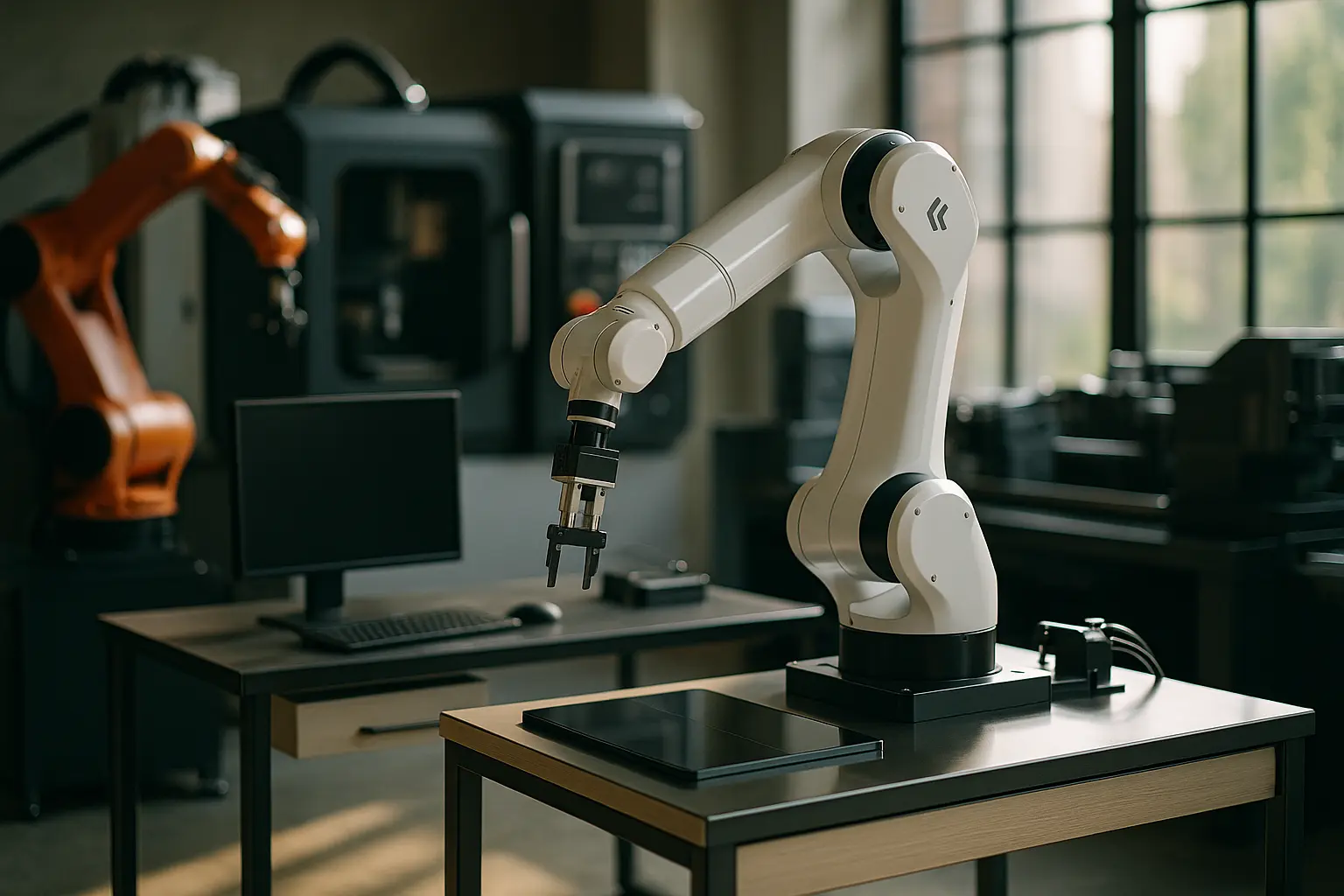
Software Solutions: Revolutionizing Industrial Design
In an era where software solutions play a pivotal role in the advancement of industrial design, companies are leveraging cutting-edge technologies to enhance the manufacturing landscape. The modern-day designer’s toolkit is no longer limited to traditional methods; it is a blend of creativity and advanced software capabilities that push the boundaries of what’s possible.
The Rise of Smart Software
The advent of smart software and AI has transformed how products are conceived, designed, and brought to market. Automation tools and intelligent algorithms streamline the design process, enabling rapid prototyping and iterative testing, ensuring that designs are refined before actual production. This automation reduces human error and accelerates the time-to-market, providing companies with a competitive edge.
Enhancing User Experience
Software aids in creating designs that prioritize the user experience. By simulating real-world interactions through virtual reality and augmented environments, designers can test and modify products to better adapt to user needs, ensuring satisfaction and loyalty. These technologies empower designers to visualize complex systems and make informed decisions, optimizing both the form and function of products.
Embracing these technological advancements not only revolutionizes design but also sets a precedent for future innovations. Companies that integrate these solutions into their development processes are better positioned to deliver high-quality, user-centric products that stand out in the competitive market.
As we navigate the future marked by the seamless integration of design and automation, it’s evident that these forces are crafting a new fabric of industrial innovation. This interconnected tapestry enables industries to not only meet but exceed user expectations, elevating the standard of product development across the board.
In this transformative journey, your role is pivotal. By embracing cutting-edge technologies, fostering creative collaborations, and leveraging data-driven insights, you pave the way for an industry that is as dynamic as it is efficient. The era of industrial design is no longer just about crafting products; it’s about shaping experiences that resonate deeply with users, ensuring that your innovations lead the way in a fast-evolving landscape.
FAQ
What is industrial design and how has it transformed with automation?
Industrial design refers to the creation and development of concepts and specifications that optimize the function, value, and appearance of products for the benefit of both users and manufacturers. With the advent of automation, industrial design has evolved to incorporate advanced technologies like robotics and artificial intelligence, enabling more efficient production processes and the creation of innovative, user-friendly products.
How has automation influenced the role of industrial designers?
Automation has shifted the role of industrial designers from focusing solely on aesthetic form and function to integrating digital tools and technologies into the design process. Designers now collaborate with engineers and software developers to create smart products that can interact with their environment and users.
What are some examples of products that have evolved due to automation in industrial design?
Examples include smart home devices like thermostats and security systems, which have evolved from simple mechanical devices to intelligent systems that learn user preferences and adjust settings automatically. Similarly, industrial machinery has incorporated automated functions to enhance precision and efficiency.
What challenges do industrial designers face with the rise of automation?
One major challenge is staying updated with rapidly advancing technologies, which requires continuous learning and adaptation. Additionally, designers must balance the integration of automated features with user-friendly interfaces to ensure products remain accessible and intuitive for end-users.
How is the future of industrial design expected to change with ongoing advancements in automation?
The future of industrial design is likely to see increased collaboration between human designers and automated systems, leading to more personalized and adaptive products. Designers will continue to focus on user experience, ensuring that automation enhances rather than complicates interactions with products.