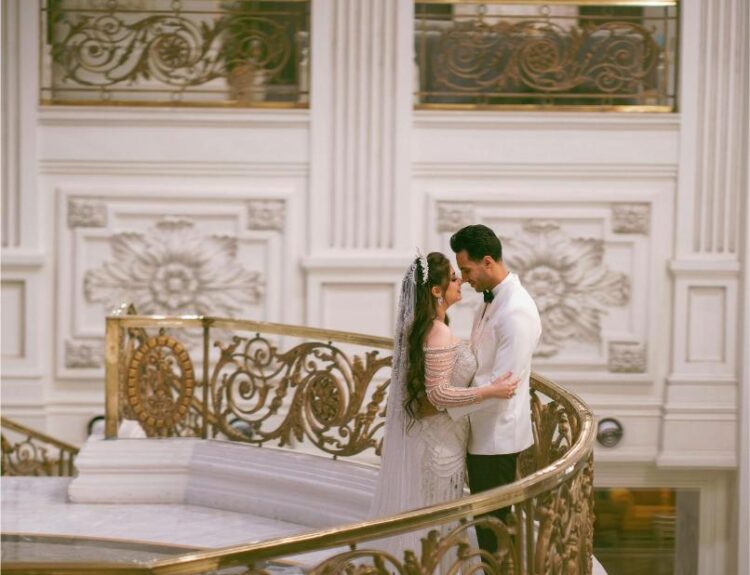
In an era marked by globalization, where cultures intertwine and coexist, the sphere of interior and exterior design is ever-evolving. As designers, we find ourselves in a dynamic landscape where cultural trends from every corner of the globe influence our approach to crafting captivating spaces. Our journey today explores how these cultural elements shape modern design, transforming interiors and exteriors into narratives of tradition and innovation.
Through a melting pot of materials, art, and design philosophies, we witness a vibrant fusion of traditional and modern influences. Let’s delve deeper into the global tapestry of design, where each thread represents a unique cultural influence, creating spaces that resonate with diversity and creativity.
Incorporating Cultural Elements into Modern Design
As we explore contemporary design’s vast canvas, there is an undeniable charm in integrating traditional cultural elements with modern aesthetics. The global design community has embraced this trend, allowing unique cultural identities to shine within the framework of a modern outlook.
Traditional Meets Modern
By blending traditional craftsmanship with modern materials and techniques, we create spaces that are both timeless and relevant. For instance, Scandinavian simplicity can be enhanced with African or Indian artisanal pieces, marrying functionality with vibrant cultural narratives.
Furniture as Cultural Storytellers
Furniture plays a significant role as a cultural ambassador within any space. Using pieces that hold cultural significance not only adds depth to the design but also initiates conversations. Picture a living room where a contemporary sofa stands alongside a traditional Japanese low table, each piece contributing to a harmonious yet diverse design dialogue.
Art and Accessories
Incorporating art and accessories inspired by global cultures can redefine spaces, infusing them with character and intrigue. From tribal masks to oriental vases, each piece can be seen as a brushstroke on the canvas of a modern home, narrating stories that transcend borders.
The Role of Materials in Cultural Fusion
Materials serve as the backbone of interior and exterior design, often dictating the overall feel and experience of a space. Our contemporary era has seen a revival of traditional materials, skillfully interwoven with modern innovations to create textures and surfaces that exude cultural richness.
Global Material Trends
Designers worldwide are embracing materials like bamboo, rattan, and reclaimed wood for their eco-friendly nature and cultural authenticity. These materials offer a tactile connection to different cultural heritages, providing a unique sensory experience.
Sustainable Luxury
Cultural influences also guide the sustainable movement in design, where materials are sourced and crafted with respect to traditional techniques. This sustainable approach not only honors cultural traditions but also aligns with modern values of environmental consciousness.
Exteriors Inspired by Heritage
Exterior design is not immune to cultural influences, as seen in the rise of traditional architectural elements in contemporary settings. From Spanish colonial to Moroccan motifs, these elements give rise to exteriors that are visually striking and deeply connected to their cultural roots. {image_content}
Designers as Cultural Narratives
Designers today are more than mere creators; they are storytellers who weave cultural narratives into the very fabric of the spaces they craft. As we navigate through a world rich in diversity, the role of a designer becomes crucial in translating cultural influences into tangible experiences.
A Global Perspective
In our interconnected world, designers have the privilege and responsibility to draw inspiration from a global palette, creating interiors that reflect a mosaic of cultural identities. By doing so, we foster a sense of belonging and understanding among diverse communities.
From Concept to Creation
The process of integrating cultural elements into design begins with an appreciation of the stories and traditions behind them. Designers must immerse themselves in the cultural context, ensuring that every element selected is respectful and authentic.
A Reflection of Society
Through their work, designers act as mirrors to society, reflecting cultural values and aspirations. As Cultural Trends evolve, so too does the design landscape, continually reshaping to accommodate new influences and possibilities.
In the ever-evolving domain of interior and exterior design, cultural trends serve as a pivotal force, guiding designers towards innovation while respecting tradition. By skillfully blending traditional elements with contemporary visions, we create spaces that transcend mere functionality, becoming vibrant expressions of cultural fusion.
As we move forward, it becomes essential to embrace these cultural influences, allowing them to shape our design philosophies and practices. In doing so, we craft environments that are not only aesthetically pleasing but also culturally resonant and universally inclusive. This journey is a testament to the power of culture in shaping the spaces we inhabit, reminding us that design itself is a celebration of humanity’s rich and diverse heritage. Let’s continue to explore, create, and inspire with a global perspective that honors the past while looking confidently toward the future.
FAQ
How have cultural trends influenced modern interior design styles?
Cultural trends have significantly shaped contemporary interior design by integrating diverse aesthetics, materials, and color palettes. Globalization has introduced a mix of styles, such as Scandinavian minimalism, Japanese zen, and bohemian eclecticism, allowing for personalized and culturally rich living spaces.
What role do traditional motifs play in today’s architectural designs?
Traditional motifs often serve as a bridge between the past and the present, infusing contemporary architecture with a sense of history and identity. Designers may incorporate elements like intricate patterns, natural materials, or locally-inspired designs to honor cultural heritage while maintaining modern functionality.
Can you provide examples of how pop culture has affected exterior design?
Pop culture influences exterior design through the adoption of bold colors, unconventional shapes, and innovative materials inspired by movies, music, and art. For instance, futuristic designs from science fiction films may inspire sleek metallic finishes or asymmetrical structures in architectural projects.
How do cultural sustainability practices impact design choices?
Cultural sustainability practices emphasize the use of eco-friendly materials and techniques that respect the environment and local communities. These practices encourage designers to choose sustainable resources, promote energy efficiency, and prioritize designs that harmonize with their natural surroundings.
In what ways do cultural festivals impact temporary design installations?
Cultural festivals often inspire temporary design installations that reflect the vibrancy and spirit of the event. Designers might use bright colors, dynamic structures, and interactive elements to create immersive experiences that celebrate cultural narratives and engage the community.